




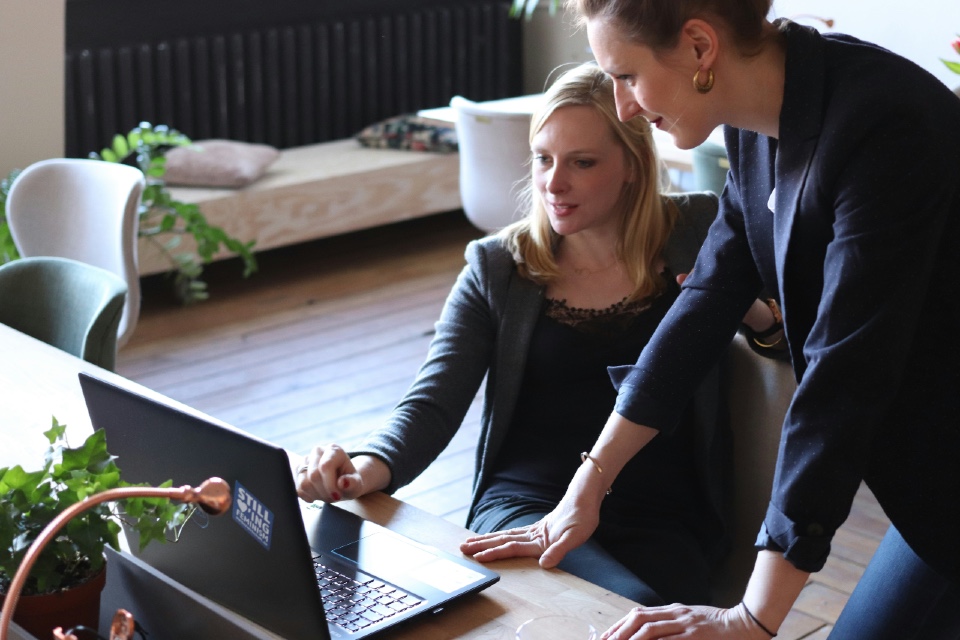
For many corporate entities, leadership development has traditionally been delivered through intensive programmes, external courses or occasional workshops. While these initiatives can provide valuable insights, they often struggle to create lasting behavioural change once participants return to day-to-day pressures. Organisations attending the HR Summit are increasingly shifting towards coaching-led leadership development models that embed learning directly into everyday management practice. The aim is to move beyond one-off programmes and create continuous development that scales across the organisation…
From programmes to practice
Traditional leadership training typically targets a relatively small group of senior managers. However, modern organisations recognise that leadership behaviours are required at multiple levels, from first-line managers to executive teams.
Embedding coaching into daily leadership routines helps create a culture where feedback, reflection and development happen consistently rather than periodically. Managers are encouraged to adopt coaching-style conversations, focusing on questioning, listening and problem-solving rather than directive instruction.
This shift can improve employee engagement while helping teams develop stronger ownership of their work.
The role of digital coaching platforms
Technology is also playing a growing role in scaling coaching capabilities across large enterprises. Digital coaching platforms now allow organisations to provide on-demand coaching support, combining virtual coaching sessions with AI-driven development tools.
These platforms can help leaders track goals, access learning resources and reflect on challenges in real time. Some systems also provide behavioural insights and prompts designed to reinforce coaching habits within daily management interactions.
For organisations with distributed or hybrid workforces, digital coaching tools help ensure development opportunities remain accessible regardless of location.
Peer learning and collective development
Another trend gaining momentum is the rise of peer coaching and leadership communities. Instead of relying solely on external experts, organisations are creating structured peer learning groups where managers support each other through shared experiences.
These peer forums provide a safe environment to discuss leadership challenges, test ideas and build confidence. They also help spread leadership capability more widely by encouraging managers to learn from colleagues facing similar operational pressures.
Aligning development with organisational priorities
To make coaching at scale effective, leadership development must also align closely with business priorities. Clear frameworks (i.e linking coaching conversations to organisational goals, performance expectations and cultural values) help ensure development efforts remain relevant. For HR and learning leaders, the challenge is embedding coaching as a core leadership capability.
By combining digital platforms, peer learning and practical leadership behaviours, enterprises are increasingly creating development ecosystems where coaching becomes part of everyday work, not an occasional intervention.
Are you searching for Leadership Development solutions for your organisation? The HR Summit can help!


One Response
https://shorturl.fm/jOmcv