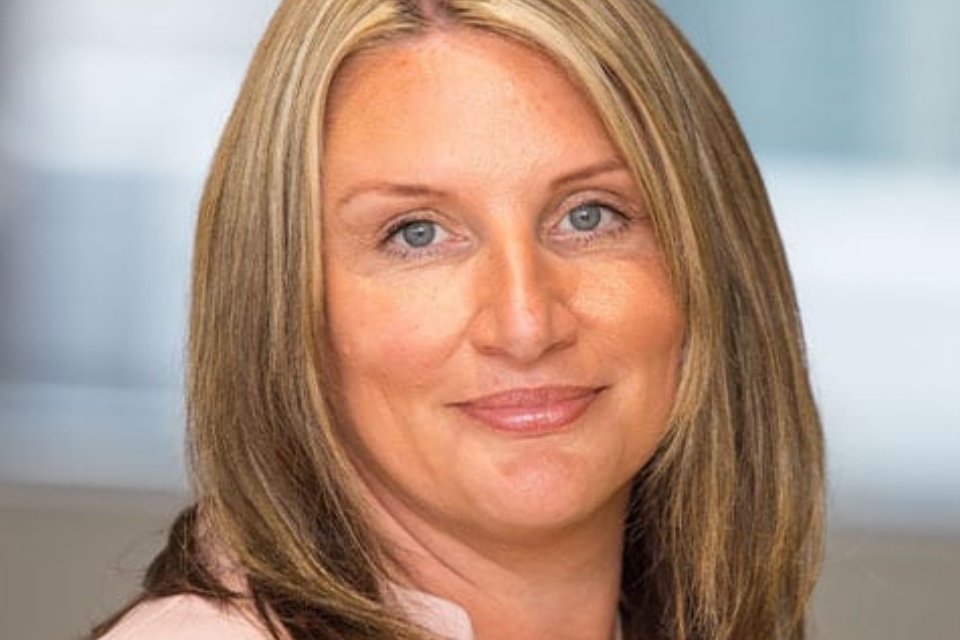



In the latest instalment of our HR industry executive interview series we speak to Emilie West, Founder of Alchemy Coaching, about meeting the challenge of maintaining employee wellbeing and resilience, the opportunities presented by wellbeing initiatives, findings from her company’s own research and how humans skills with work in tandem with AI and automation…
Tell us about your company, products and services.
I founded Alchemy Coaching in 2016 to help individuals and organisations perform at their best without burning out. We work with senior leaders, HR, L&D and People teams to design and deliver impactful wellbeing, resilience and leadership programmes.
Our work spans 1:1 executive and resilience coaching, group workshops and keynote talks. We focus on practical, evidence-based approaches that help people manage pressure, communicate more effectively, build resilience and lead with clarity. Much of our work supports organisations that want to move beyond one-off wellbeing initiatives towards more strategic, joined-up learning and wellbeing programmes that genuinely stick.
What have been the biggest challenges that HR and People leaders have faced over the past 12 months?
Maintaining employee wellbeing and resilience in an increasingly demanding environment has been a major challenge. We’ve seen resilience levels continue to fall, with absenteeism reaching a 15-year high of 9.4 days per employee.
At the same time, budgets have tightened and many organisations are navigating uncertainty, restructures or increased performance pressure. HR and People leaders are being asked to do more with less, supporting the wider workforce whilst also providing support to senior leaders, who are often under intense pressure and very short on time.
And what have been the biggest opportunities?
The biggest opportunity has been a shift in mindset. Many organisations are now recognising that wellbeing, resilience and leadership capability are not “nice to have” initiatives, but core drivers of performance, engagement and retention.
This has opened the door to more strategic conversations about how performance and wellbeing fit together, and how organisations can support people in a more holistic and sustainable way. We are seeing increased demand for tailored programmes to solve live business challenges, 1:1 leadership coaching and practical skills-based workshops.
What is the biggest priority for L&D and wellbeing leaders in 2026?
In 2026, the priority will be moving from activity to impact. Many organisations already offer wellbeing initiatives, but the focus now is on ensuring those initiatives genuinely meet employee needs and deliver against business goals.
This means aligning wellbeing and learning strategies with the business strategy, investing in manager and leadership capability, and designing programmes that include follow-up and reinforcement rather than relying on one-off sessions. Supporting leaders in managing their workloads and creating psychologically safe environments will be particularly critical.
What are the main trends you are expecting to see in the market in 2026?
Through our work with corporate clients and research for our Employee and Organisational Wellbeing Report, we’ve identified several key trends in this space:
- A holistic approach to wellbeing, expanding beyond mental and physical health to include financial stress, life-event support and increased access to 1:1 coaching
- Personalised and flexible programmes, with more on-demand content and varied formats to engage multi-generational and hybrid workforces
- Increased focus on psychological safety and leadership capability, supporting better communication and creating a feedback culture to drive innovation and effective decision-making
- Long-term follow-up and post-training support, creating ongoing learning journeys rather than isolated interventions
- Closer integration with organisational strategy and culture, explicitly linking wellbeing, communication and leadership skills to performance and retention
What technology is going to have the biggest impact on the market this year?
AI-powered tools, such as ChatGPT, are having a growing impact on employee wellbeing and resilience when used thoughtfully. We’re seeing AI support employees in very practical ways: helping them prioritise workloads, manage inboxes, draft communications more efficiently, prepare for difficult conversations, and reduce the cognitive load that often contributes to stress and overwhelm.
There is also growing interest in AI-enabled coaching as a complement to human support. Used well, AI can provide on-demand reflection prompts, structured thinking tools and guidance to help individuals work through challenges in the moment, however these tools are still being developed so it’s important any implementation is aligned with your business values and desired behaviours.
Importantly, AI will work best as an augmenter, not a replacement. The most effective organisations are using AI to reduce unnecessary friction in day-to-day work, while still investing in human-led coaching, leadership development and psychologically safe cultures.
In 2027 we’ll all be talking about…?
Human skills versus AI skills. AI and automation will have significantly reduced or transformed many task-based and knowledge-heavy roles, forcing organisations to rethink job design, capability frameworks and what “good performance” actually looks like.
As a result, there will be a renewed focus on distinctly human skills, emotional intelligence, relationship building, communication, creativity and ethical decision-making. These so-called “soft skills” will increasingly be recognised as core business capabilities.
We’ll also be talking far more openly about transitions: reskilling, redeployment and supporting people through uncertainty and identity shifts as roles evolve or disappear. Organisations that pre-empt and support people through this shift will navigate this change more successfully and be able to attract and retain the best talent.
What’s the most exciting thing about your job?
The moment in a workshop when people feel safe enough to talk about the live issues they are dealing with. This is when the conversation really opens up and we can explore practical solutions together as a group and how to apply what they are learning. This is often where the real “a-ha” moments happen.
What’s the most rewarding part of your job?
Hearing that someone feels calmer, clearer and more confident after a workshop or coaching session with me. Helping people move forward, feeling less stressed and more effective, is why I do this work.
What’s the best piece of advice you’ve ever been given?
Work where you are valued.
What’s your go-to wellbeing habit?
Going for a walk every morning to get fresh air and daylight, it makes a huge difference to my energy and mood.
Succession or Stranger Things?
Succession, every time!